This course is not currently available
The information on this page is from a previous edition. Check out our current workshops, or message us to find out whether it will be offered again.

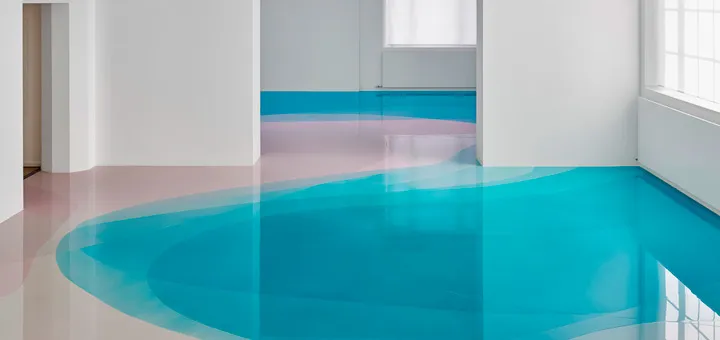
The information on this page is from a previous edition. Check out our current workshops, or message us to find out whether it will be offered again.
In this workshop, we will uncover all the secrets and techniques for creating unique, stunning floors with resin. From the basic fundamentals to the most advanced aspects, we will explore every step of the process so you can master this remarkable type of coating.
During the workshop, we will learn about the different types of resin available on the market and their particular characteristics. We will get to know the tools and materials you need. We will also explore the various techniques for surface preparation, resin application, and finishing.
We will also explore the wide range of creative possibilities resin offers, from adding pigments and special effects to incorporating decorative elements such as stones, shells, and more. You will discover how to create custom designs and achieve impressive results in every project.
Whether you are an enthusiastic hobbyist or a professional looking to expand your knowledge, this workshop will give you a solid foundation to take on resin flooring projects with confidence and creativity.
Epoxy resin, or liquid porcelain, is a thermosetting polymer that changes from a liquid to a solid when component B, known as the catalyst, is added. This product has exceptional properties that make it one of the most widely used materials for floor coatings today.
There are many types of resin in the world, each with a specific technical data sheet that states which kinds of jobs it can be used for and in what proportions it must be mixed. If it is mixed without following the exact proportions, there is a high chance your product will never cure. The resin we use for floors and kitchen countertops is known as liquid porcelain or coating resin. It must be this material because of its properties, which allow it to withstand foot traffic and impact.